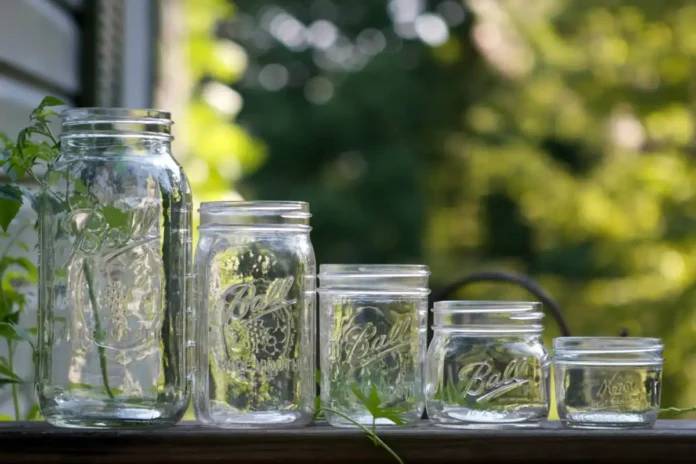
Looking for realistic ways to reduce waste? These 10 practical guides show how to live more sustainably without expensive zero-waste trends.
When people think of sustainable living, they often picture fitting all their trash into a tiny jar, filling their kitchens with expensive glass containers, or giving up every packaged food they enjoy. This narrow idea of sustainability is largely shaped by aesthetic, white-washed social media trends—and it doesn’t reflect reality for most people.
There’s nothing wrong with growing your own food or aiming for a zero-waste lifestyle if you can. But not everyone has the time, money, space, or energy to live that way. Sustainability is not about perfection. It’s about reducing waste in ways that actually fit into your daily life.
Many of the most effective waste-reducing habits don’t look impressive online. They’re quiet, practical, and often save money by focusing on consuming less and reusing what you already have.
If you’re looking for realistic, low-pressure ways to reduce waste and live more sustainably, these guides are a great place to start.

1. Follow These 5 Practical Tips to Reduce Waste Every Day
Reducing waste doesn’t require a complete lifestyle overhaul. This guide focuses on simple daily habits—at home, at work, and while shopping—that help cut down waste without feeling overwhelming.
Best for: Beginners who want easy, repeatable changes.
2. How to Reduce Food Waste Without Changing What You Eat
Food waste is one of the biggest sources of household waste. This guide shows how to reduce food waste by planning meals better, storing food properly, and using leftovers creatively—without switching to a restrictive diet.
Best for: Busy households and apartment living.
3. A Beginner’s Guide to Sustainable Living on a Budget
Sustainability doesn’t have to be expensive. This guide focuses on low-cost and no-cost habits that reduce waste, lower monthly expenses, and help you live more intentionally.
Best for: Students, renters, and anyone trying to save money.
4. How to Reduce Plastic Waste Without Buying Zero-Waste Products
You don’t need to replace everything you own with “eco-friendly” alternatives. This guide explains how to reduce plastic waste by using what you already have, avoiding unnecessary purchases, and making smarter choices when replacements are unavoidable.
Best for: People tired of greenwashed consumerism.
5. Simple Waste-Reducing Habits That Work in Small Apartments
Living in a small space can make sustainability feel harder—but it doesn’t have to be. This guide focuses on waste reduction strategies designed specifically for apartments, rentals, and shared housing.
Best for: City dwellers and renters.
6. How to Reduce Waste When You’re Short on Time
Not everyone has time to compost, DIY cleaners, or shop at multiple stores. This guide is all about time-efficient sustainability—small actions that make a difference without adding stress.
Best for: Professionals, parents, and anyone with a busy schedule.
7. Sustainable Swaps That Actually Make Sense (and Which Ones Don’t)
Some sustainable swaps are genuinely helpful. Others are expensive, unnecessary, or create more waste over time. This guide breaks down which changes are worth making—and which ones you can skip.
Best for: Anyone overwhelmed by sustainability advice.
8. How to Reduce Waste Without Feeling Guilty or Overwhelmed
Sustainability culture often pushes perfection and guilt. This guide focuses on mindset—how to reduce waste in a way that’s mentally healthy, realistic, and sustainable long-term.
Best for: People who care but feel burnt out.
9. Low-Waste Habits That Save Money Over Time
Reducing waste often goes hand-in-hand with spending less. This guide highlights habits that reduce trash and lower everyday costs, from energy use to household items.
Best for: Budget-conscious and minimalists.
10. A Realistic Approach to Sustainable Living (Progress Over Perfection)
This guide ties everything together. Sustainability isn’t about being perfect—it’s about making better choices when you can and accepting limitations when you can’t.
Best for: Anyone looking for a long-term, balanced approach to eco-friendly living.
Why Reducing Waste Matters (Even If You’re Not Zero-Waste)
You don’t need to live waste-free to make an impact. Every small change—using what you already own, buying less, wasting less—adds up. Sustainable living should support your wellbeing, not compete with it.
The most sustainable lifestyle is one you can actually maintain.